Projects / SEO strategy
Reserverunbar.fr, Full SEO Overhaul: Organic Traffic Multiplied by 2.5
Leading a complete SEO overhaul (technical audit, semantic audit, neighborhood-based semantic silos, internal linking) that took monthly organic traffic from 70,000 to 226,000 visits, with no added ad spend.

Full SEO Overhaul: Organic Traffic Multiplied by 2.5
Reserverunbar.fr · Case study · SEO strategy · Technical audit · Semantic silos · Python automation
Multiplying organic traffic without touching the ad budget
Reserverunbar.fr is a bar-booking platform in Paris, where organic traffic is the main acquisition channel. On a site like this, every neighborhood, every bar atmosphere and every search intent represents a potential page to rank, with a real risk of cannibalization if the site architecture isn't planned in advance.
I led the site's complete SEO overhaul: technical audit, semantic audit, a new content strategy and a restructured internal-linking setup. Monthly organic traffic went from 70,000 to 226,000 visits, a 2.5x increase, achieved entirely through SEO optimization, with no increase in ad spend.
The starting diagnostic: a site with untapped potential
The initial audit revealed several structural obstacles to organic traffic growth:
- Indexation and technical issues: pages poorly indexed or directly competing with each other on the same queries, with no clear hierarchy between pillar and satellite pages.
- Incomplete semantic structure: the site didn't systematically cover users' real search intents (by neighborhood, by atmosphere, by venue type), leaving entire search volumes without a dedicated page.
- Weak internal linking: few contextual links between pages on the same topic, diluting the authority the pillar page meant to carry each silo.
- No anti-duplication safeguard: new content risked reusing angles, titles or phrasing already used elsewhere on the site, worsening cannibalization instead of resolving it.
So the goal wasn't to publish more content, but to restructure the site's architecture around coherent semantic silos, before writing a single additional line.
The method: a semantic silo per Paris neighborhood
The strategy chosen organizes the site around thematic semantic silos, with one pillar page per Paris neighborhood (Oberkampf, Bercy, Opéra, Grands Boulevards, République, Bastille, Marais, and about a dozen more) and satellite pages covering each sought-after bar atmosphere: wine bar, beer bar, sports bar, games bar, bar with a terrace, afterwork.
Pillar pages and satellite pages
Each neighborhood has a pillar page that centralizes the area's offering and receives links from its associated satellite pages, rather than letting each satellite page rank in isolation. This hierarchy clarifies, for search engines as well as for users, which page holds authority on which query.
Systematic cannibalization audit
Before any content is published, it's compared against existing pages in the same silo to verify it doesn't reuse the same titles, angles or phrasing. A blacklist of turns of phrase already heavily used across the site (generic comparisons, phrasing repeated from one article to the next) forces the writer to declare a differentiating angle before drafting begins.
Restructured internal linking
Every satellite page explicitly points to its pillar page with an optimized anchor, and the venues mentioned in articles are systematically linked to their listing page, distributing the site's authority coherently within each silo rather than evenly across all pages.
Content aligned with real search intent
Every page targets a precise keyword and intent, defined from Search Console data and competing SERP analysis, rather than a rough estimate of search volume.
The process: an analysis pipeline to industrialize the audit
Auditing a site of this size neighborhood by neighborhood, article by article, isn't sustainable by hand. Most of the diagnostic and editorial scoping work was therefore automated through a Python pipeline built specifically for this project.
1. Data extraction and cross-referencing
A central orchestrator pulls Search Console data (positions, clicks, impressions by query and by page) and cross-references it with a technical site crawl, to automatically surface pages losing ranking, semantic duplicates and underexploited keyword opportunities.
2. Automated writing briefs
Before every new article or every optimization of an existing page, a script generates a complete brief: the legitimate page to optimize, its associated pillar page with its call to action, venues to mention, an on-page audit (title, H1, H2, score), a cannibalization analysis against competing pages on the site, target SEO tags and real secondary keywords pulled from Search Console.
3. Anti-duplication scan before writing
A second script compares the topic to be covered against all content already published in the same silo, lists the titles and angles already covered, and requires a differentiating angle to be defined before writing begins.
4. Progress tracking and prioritization
Ranking tracking over several months made it possible to adjust which neighborhoods and atmospheres to prioritize, concentrating editorial effort on the silos with the highest traffic potential based on real search data.
The tools
The entire diagnostic and editorial scoping process relies on Python scripts built for this project, to handle a volume of pages and neighborhoods that a manual audit couldn't have covered with the same rigor.
- A central orchestrator that extracts Search Console data, cross-references technical crawl results and ranks keyword opportunities by potential
- A writing-brief generator that condenses GSC analysis, on-page audit and cannibalization for a page into a single actionable document
- An anti-duplication scanner that compares every new piece of content against articles already published in the same semantic silo
- A SERP and semantic-density analysis module to align every page with the search intent Google is actually serving on its target keyword
- Google Search Console as the source of truth on real positions, clicks and impressions
The result: 2.5x organic traffic, no added budget
Reserverunbar.fr's monthly organic traffic went from 70,000 to 226,000 visits, entirely through SEO optimization, with no increase in ad spend. This growth comes directly from the restructuring into neighborhood-based semantic silos: every pillar page gained authority through internal linking, and every satellite page could rank on its own search intent instead of competing with the site's other pages.
Automation didn't replace editorial strategy on this project: it gave that strategy the means to hold up at the scale of a site with dozens of neighborhoods and thematic silos to manage in parallel, where a purely manual audit would have limited the frequency and rigor of the optimizations.
SEO consultant · content strategy and semantic architecture
How was Reserverunbar.fr's organic traffic multiplied by 2.5?
Through SEO optimization alone, with no increase in ad spend: restructuring the site into semantic silos by Paris neighborhood, with one pillar page per neighborhood and satellite pages by bar atmosphere, connected through systematic internal linking. Monthly traffic went from 70,000 to 226,000 visits.
What does a neighborhood-based semantic silo actually look like?
Each Paris neighborhood (Oberkampf, Bercy, Opéra, Bastille...) has a pillar page that centralizes the area's offering and receives links from its associated satellite pages (wine bar, sports bar, bar with a terrace...), rather than letting each page rank in isolation and compete with the site's other pages.
Why build a Python pipeline instead of auditing manually?
Auditing a site of this size neighborhood by neighborhood, article by article, isn't sustainable by hand. The Python pipeline automates Search Console data extraction, writing-brief generation and anti-duplication scanning, to industrialize the diagnostic without sacrificing analytical rigor.
More projects
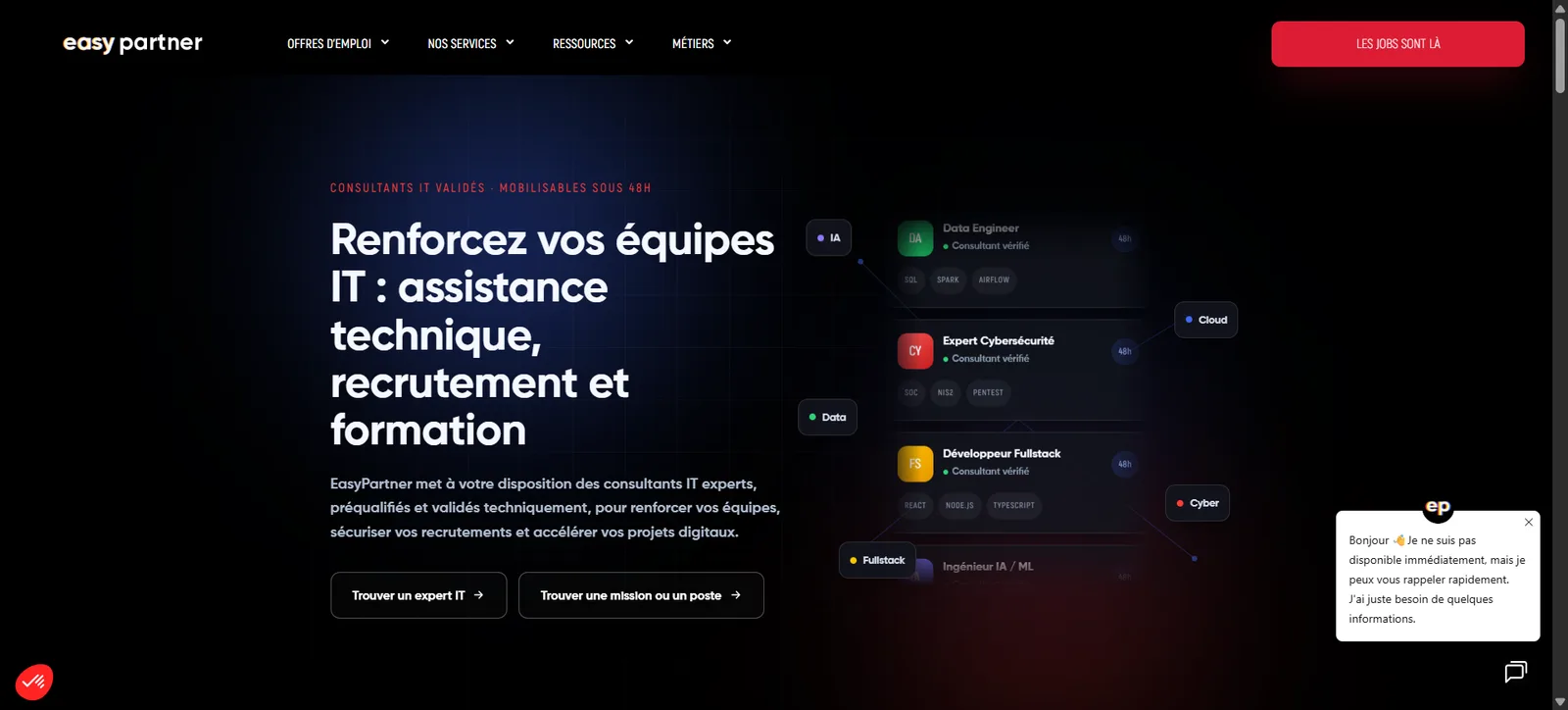
EasyPartner: WordPress/Elementor Rebuild and Custom HubSpot API Integration
A fullstack rebuild of a legacy WordPress site onto a maintainable Hello Elementor base, migration from the Bullhorn CRM to HubSpot, and a rebuilt SEO architecture (internal linking, keyword cannibalization).
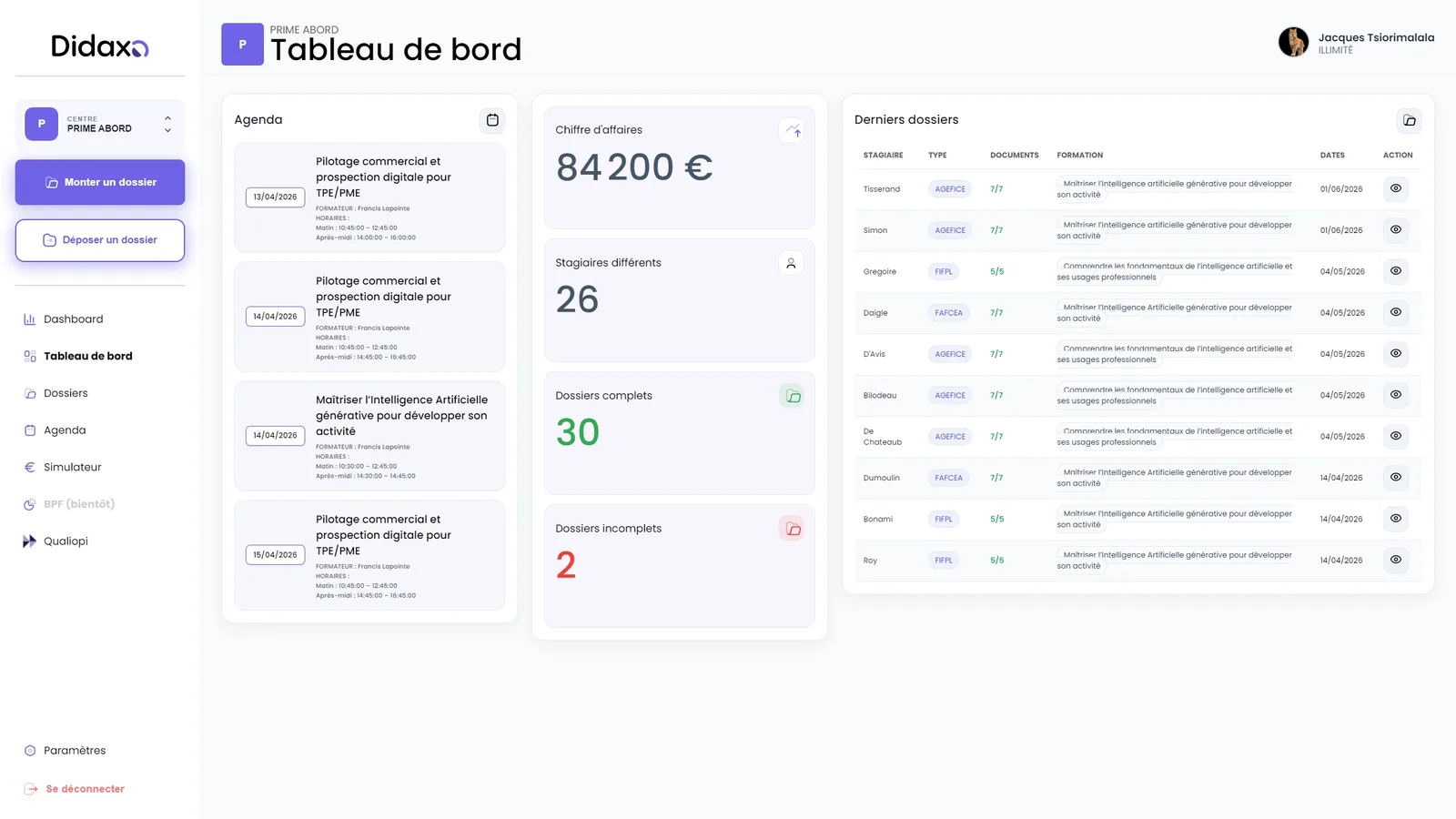
Didaxo: Fullstack Development of a SaaS for Training Providers
A business SaaS for professional training providers: Qualiopi compliance, automated OPCO funding files, the annual BPF report, and Stripe billing, all in a single platform.